Government has decided not to proceed with the means test for the State Age Pension (SAP), as announced in the 2026–2027 Budget Speech, and has initiated measures to mitigate the resulting impact on public finances.
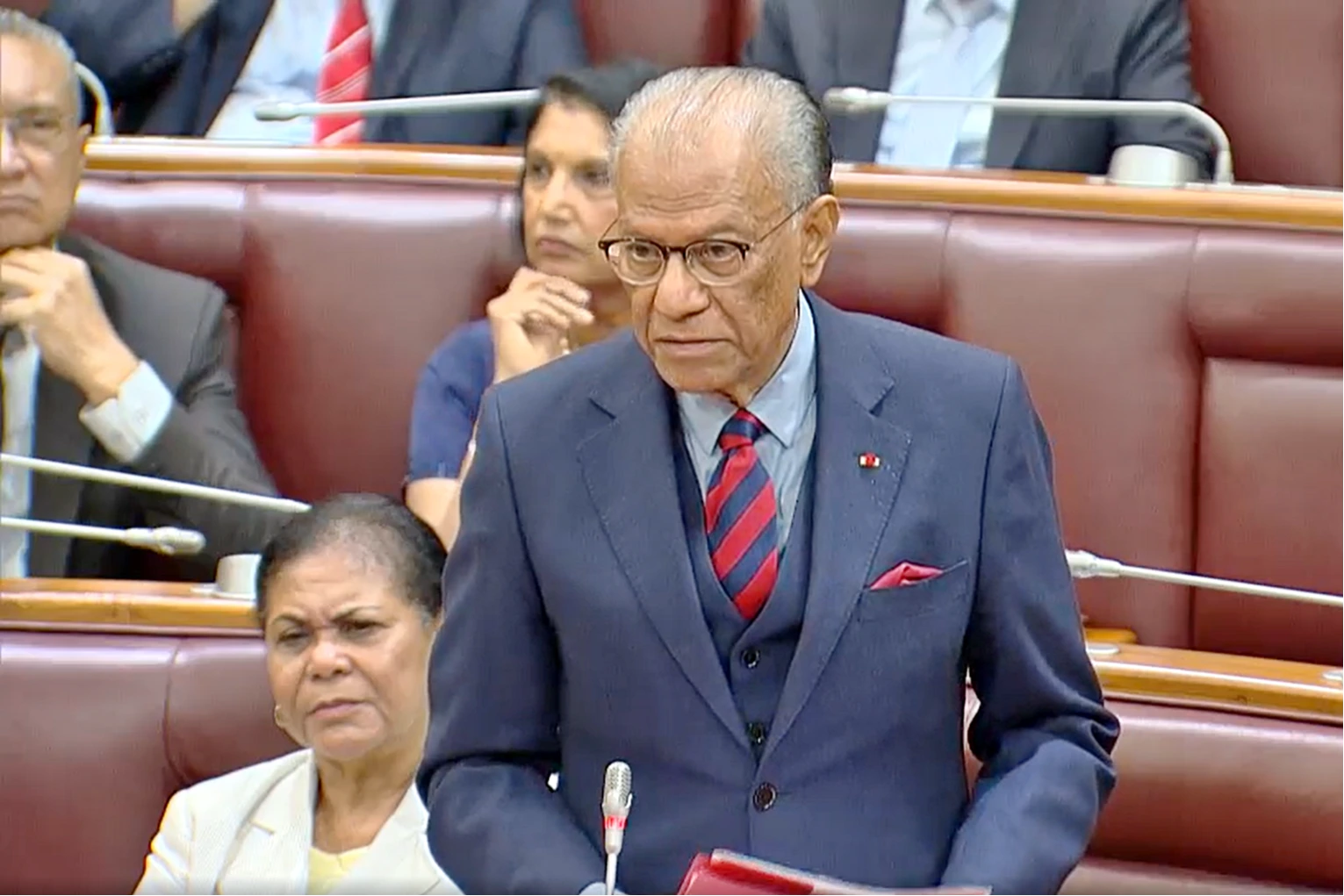
The Prime Minister, Dr Navinchandra Ramgoolam, made this statement, today in the National Assembly, while replying to a Private Notice Question.
At the outset, he recalled that the Budget contains more than 500 measures and that only one measure was being reversed, explaining that budget measures may be modified or not implemented depending on circumstances or policy considerations, with the financial implications reflected in the budget outturn at the end of the financial year.
The Prime Minister indicated that the initial macroeconomic and fiscal framework projected a budget deficit of 3.7% and public sector debt at 85.6% of the Gross Domestic Product (GDP). He pointed out that following the removal of the means test, additional expenditure on the SAP is estimated at Rs 6.2 billion, representing 0.7% of GDP for the period January to June 2027. The full-year impact would have been higher in the absence of mitigation measures already initiated by Government, he said.
Among these measures, he highlighted the establishment of a committee chaired by the Secretary to Cabinet to review and reprioritise the implementation of capital projects while ensuring that economic growth is not adversely affected. He also referred to an exercise led by the Ministry of Finance to examine expenditure across Ministries, identify areas where spending can be rationalised, and ensure follow-up on recommendations contained in the Director of Audit Reports.
The Prime Minister announced the establishment of a Steering Committee on Public Sector Efficiency, under his chairmanship, to identify and address duplication, inefficiencies and wastage across the public sector. He also outlined a review of the tax system by a high-level committee comprising tax specialists and supported by international experts, including the International Monetary Fund (IMF), with the objective of enhancing fairness, efficiency and international competitiveness while strengthening revenue mobilisation.
Other measures being explored, he underlined, include the disposal of selected non-strategic State assets, the possible listing of certain State-owned enterprises on the stock exchange and transitional arrangements concerning CSG contributions before the current practice is phased out.
As far as consultations with international institutions are concerned, the Prime Minister stated that the IMF has been fully briefed on the fiscal implications of the pension policy adjustment and the measures being implemented to address the impact. He added that Moody’s has also been informed of the Government’s fiscal policy approach.
Regarding the need for a revised macroeconomic and fiscal framework, the Prime Minister explained that the budget process already provides for a budget outturn at the end of the financial year, which takes into account changes in implementation. He emphasised that the Appropriation Act 2026-2027 provides for a total voted sum of Rs 232.4 billion, including allocations of Rs 30.1 billion for the Basic Retirement Pension from July to December 2026 and Rs 20.5 billion for the SAP from January to June 2027.
Dr Ramgoolam further explained that the exact additional amount required following the removal of the means test would depend on the number of future pensioners opting to draw their pension at age 60. He added that the budget framework allows for the presentation of a Supplementary Appropriation Bill, if required, and stressed that there was no need for a change in the total appropriation at this stage.
14 July 2026
Email: gis@govmu.org
Website: https://gis.govmu.org
Mobile App: GIS News
Topics: National Assembly