Government remains fully committed to adopting a comprehensive approach in the fight against drugs, combining robust law enforcement and border security measures with prevention, treatment, rehabilitation and social reintegration initiatives.
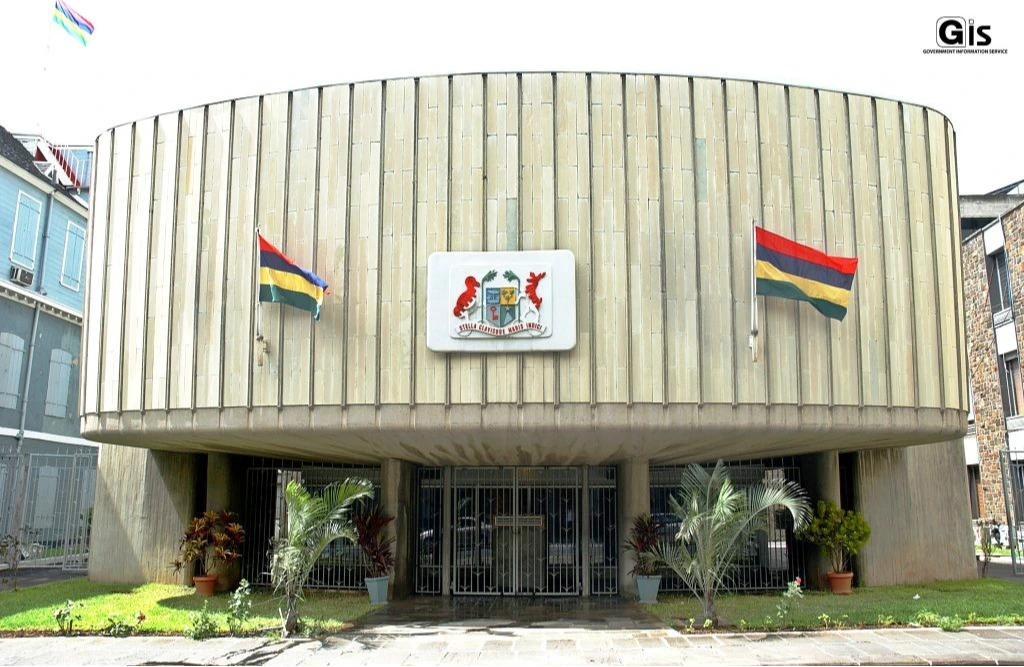
The Prime Minister, Dr Navinchandra Ramgoolam, made this statement yesterday in the National Assembly in reply to a Parliamentary Question pertaining to measures being envisaged to tackle the drug scourge in Mauritius.
Prime Minister Ramgoolam recalled that, from January 2026 to 08 July 2026, the Police recorded 1,560 cases of drug-related offences, with the total value of drugs seized during this period estimated at around Rs 1.3 billion. He stressed that the fight against drug trafficking remains one of the major priorities of Government, with several organisations working together and implementing measures to address this challenge.
The Police, he indicated, have intensified patrols and crackdown operations conducted by different Units in drug-prone areas, adding that some 90 patrols were carried out in June 2026. He further observed that the Anti-Drug and Smuggling Unit (ADSU) has been reinforced with additional manpower and equipment to enhance its operational capabilities, while collaborating with the Financial Crimes Commission to disrupt drug criminal networks.
Moreover, Dr Ramgoolam underlined the importance of strengthening maritime surveillance to prevent the trafficking of illicit drugs by sea. In this regard, he pointed out that a new Coastal Surveillance Radar System, financed by the Government of Japan, is currently being installed and is expected to be operational by December this year.
At the international level, ADSU continues to work with several partner agencies, including the United Nations Office on Drugs and Crime, the US Drug Enforcement Administration, the UK National Crime Agency, Interpol and the Royal Canadian Mounted Police, for intelligence sharing, capacity building and cross-border investigations aimed at dismantling transnational drug trafficking networks, he said. Mauritius has also developed partnerships with India, the United Kingdom, France and the United States to strengthen maritime surveillance and security capabilities.
The Prime Minister also outlined additional measures being undertaken by the Mauritius Revenue Authority (MRA) to prevent the smuggling of illicit drugs through the port and airport. These include the acquisition of an additional Fast Interceptor Boat, the deployment of MRA officers on high-risk vessels, the procurement of a mobile van scanner, increased use of technological tools for drug detection, and the installation of a low-bed palletised cargo X-ray scanner at the port by the end of the year.
Dr Ramgoolam also referred to the National Drug Control Masterplan 2026-2030, launched in April by the National Drug Control Commission, which provides for a coordinated and holistic response involving Government institutions, civil society organisations and the wider community.
He added that activities under prevention and rehabilitation have already been initiated in collaboration with the Ministry of Education and Human Resource, the Ministry of Labour and Industrial Relations, Business Mauritius and the Mauritius Prison Service.
15 July 2026
Email: gis@govmu.org
Website: https://gis.govmu.org
Mobile App: GIS News
Topics: National Assembly