GIS – 28 June 2026: Mauritius is not experiencing stagflation, as the economy continues to record steady growth, inflation has eased significantly from its previous peak levels, and unemployment remains on a downward trajectory. Nevertheless, Government remains vigilant and is proactively implementing measures to mitigate the impact of global economic risks.
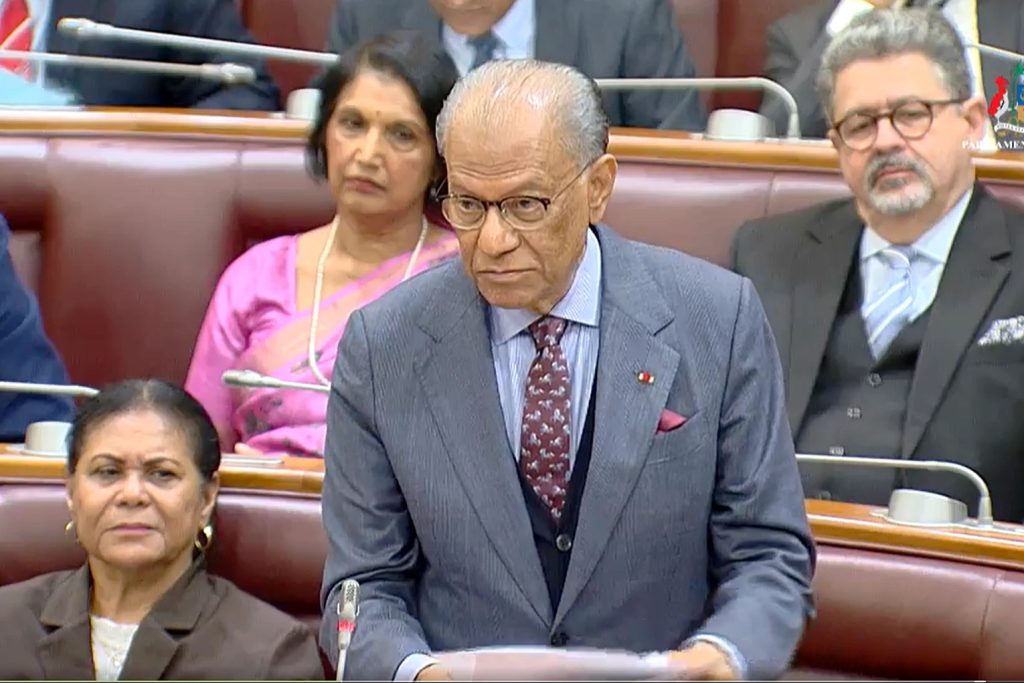
The Prime Minister, Dr Navinchandra Ramgoolam, made the statement today in the National Assembly while replying to a Parliamentary Question on the risks of stagflation and the measures being taken to support the national economy.
In his reply, the Prime Minister underscored that, although Mauritius was not currently experiencing stagflation, geopolitical tensions and global uncertainties could affect economic growth, inflation and employment. He noted that the economy was projected to grow by around 3%, while inflation had declined significantly from the levels recorded in 2022 and 2023. He further pointed out that the unemployment rate had fallen from 9.2% in 2020 to 5.7% in 2025.
Dr Ramgoolam further highlighted that Government was implementing measures announced in the 2026-2027 Budget to stimulate economic activity and strengthen the country’s growth prospects. These include the development of an AI and Digital Finance Special Economic Zone at Côte d’Or; enhanced support for SMEs and start-ups; the modernisation of the manufacturing sector; the expansion of the blue economy; the promotion of renewable energy and innovation; as well as initiatives to address skills shortages.
Regarding the accommodation and food services sector, the Prime Minister indicated that positive growth prospects were anticipated, with tourist arrivals expected to reach around 1.47 million. He further stated that Government was strengthening air connectivity through additional flight services and would undertake a review of the country’s air access policy. Measures were also being implemented to promote cultural tourism and eco-tourism, while enhancing the overall visitor experience through the introduction of a digital E-Visa system.
As for the construction sector, Dr Ramgoolam observed that would continue to be supported by major infrastructure projects, including the M4 Motorway, Phase 2 of the Ring Road project, the Island Container Terminal, the Special Economic Zone at Côte d’Or and the Rivière des Anguilles Dam.
Addressing cost-of-living pressures, the Prime Minister recalled that an additional allocation of Rs 2 billion had been provided under the Price Stabilisation Fund for 2026-2027. He also outlined a series of complementary measures, including stronger action against abusive pricing practices, bulk procurement of essential goods by the State Trading Corporation, a review of the retail sector framework, the establishment of a new e-commerce legal framework, and an increase in the eligibility threshold under the Social Register of Mauritius.
Moreover, the Prime Minister stated that a new Business Facilitation Bill would be introduced to streamline procedures, reduce administrative barriers and promote productive investment, particularly in the renewable energy, blue economy and artificial intelligence-related sectors.
He also reaffirmed Government’s commitment to fostering sustainable and inclusive growth, safeguarding household purchasing power and enhancing Mauritius’ economic resilience.
Government Information Service, Prime Minister’s Office, Level 6, New Government Centre, Port Louis, Mauritius. Email: gis@govmu.org Website: https://gis.govmu.org/gis Mobile App: GIS News